Hidden Truths of World War I
World War I, often remembered for trench warfare and massive casualties, is commonly portrayed as a straightforward conflict between empires. However, beneath the familiar narrative lie lesser-known truths that shaped both the war itself and the modern world that followed.
These overlooked realities reveal how political miscalculations, industrialized warfare, and global involvement transformed a regional crisis into a catastrophe of unprecedented scale.
The War No One Truly Expected
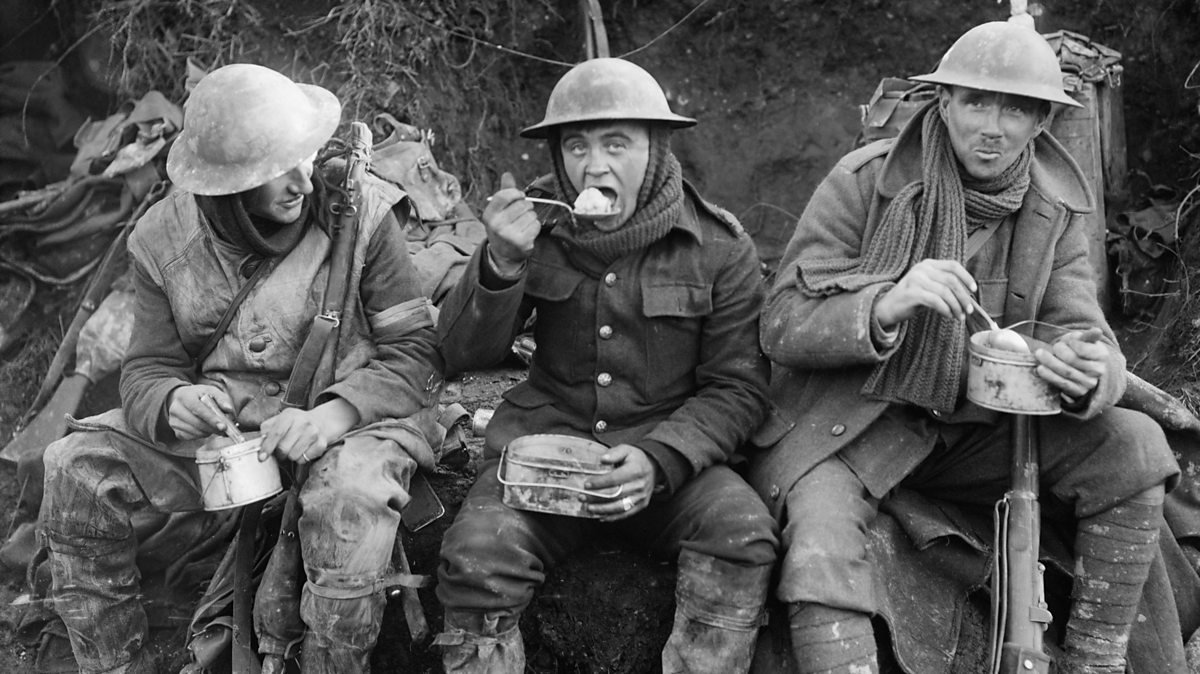
In 1914, most European leaders believed the war would be short. Military planners anticipated quick victories, with soldiers expected to return home within months. Instead, the conflict evolved into a prolonged stalemate that lasted over four years, exposing the severe disconnect between political assumptions and battlefield realities.
Industrial Slaughter on an Unseen Scale
World War I marked the first time industrial technology was used systematically to kill on a mass scale. Machine guns, heavy artillery, barbed wire, and poison gas transformed warfare into an impersonal process of attrition.
Artillery fire alone accounted for the majority of battlefield deaths, a fact often overshadowed by popular focus on trench assaults. Soldiers were frequently killed without ever seeing the enemy.
Chemical Warfare and Its Lasting Impact
Poison gas was introduced as a weapon of war in 1915. Chlorine, phosgene, and mustard gas caused horrific injuries, leaving survivors with lifelong respiratory damage and blindness.
While gas weapons caused fewer deaths than artillery, their psychological impact was immense and led to international bans that still influence modern warfare conventions.
The Forgotten Global Army
A hidden truth of World War I is the scale of non-European participation. Millions of soldiers from colonies in Africa, South Asia, the Middle East, and the Caribbean fought for European empires.
These troops played crucial roles on multiple fronts, yet their contributions were often ignored or minimized after the war. Their service later fueled anti-colonial movements and demands for independence.
Psychological Trauma Before It Had a Name
World War I introduced widespread psychological injury, known at the time as “shell shock.” Thousands of soldiers suffered from tremors, paralysis, nightmares, and emotional collapse.
Rather than receiving treatment, many were accused of cowardice or punished, reflecting the limited understanding of mental health at the time. This legacy reshaped future approaches to combat trauma.
The Peace That Planted the Seeds of Another War
The Treaty of Versailles ended the war but failed to establish lasting peace. Harsh territorial losses, military restrictions, and economic reparations imposed on Germany created deep resentment and political instability.
Many historians view this settlement as one of the key factors that contributed directly to the outbreak of World War II.
A War That Quietly Reshaped the World
Beyond borders and treaties, World War I dismantled empires, accelerated social change, and altered global power structures. It transformed governments, economies, and societies in ways that were not immediately visible but proved irreversible.
The hidden truths of World War I remind us that its legacy extends far beyond the battlefield, continuing to influence modern politics, international relations, and collective memory.