The :contentReference[oaicite:1]{index=1} is widely regarded as the deadliest industrial chemical disaster in history. It occurred on the night of December 2–3, 1984, in the city of Bhopal, India, when a toxic gas leak exposed hundreds of thousands of people to lethal chemicals.
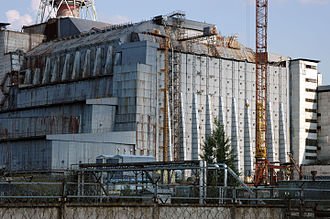
The disaster took place at a pesticide plant operated by :contentReference[oaicite:2]{index=2}, a subsidiary of the American corporation Union Carbide. The plant produced pesticides using highly toxic chemicals, including methyl isocyanate (MIC).
The Night of the Gas Leak
Shortly after midnight, approximately 40 tons of methyl isocyanate gas leaked from a storage tank due to a runaway chemical reaction. The gas spread rapidly over nearby densely populated neighborhoods while most residents were asleep.
Safety systems at the plant were either malfunctioning or shut down, and there was no effective warning system to alert the surrounding population. As a result, people were exposed without understanding what was happening.
Immediate Human Impact
Thousands of people died within hours from suffocation and chemical burns to the lungs and eyes. Survivors described intense coughing, blindness, vomiting, and severe respiratory distress.
Estimates of immediate deaths range from several thousand, while long-term estimates suggest that tens of thousands later died from complications related to gas exposure. More than 500,000 people were affected.
Health and Environmental Consequences
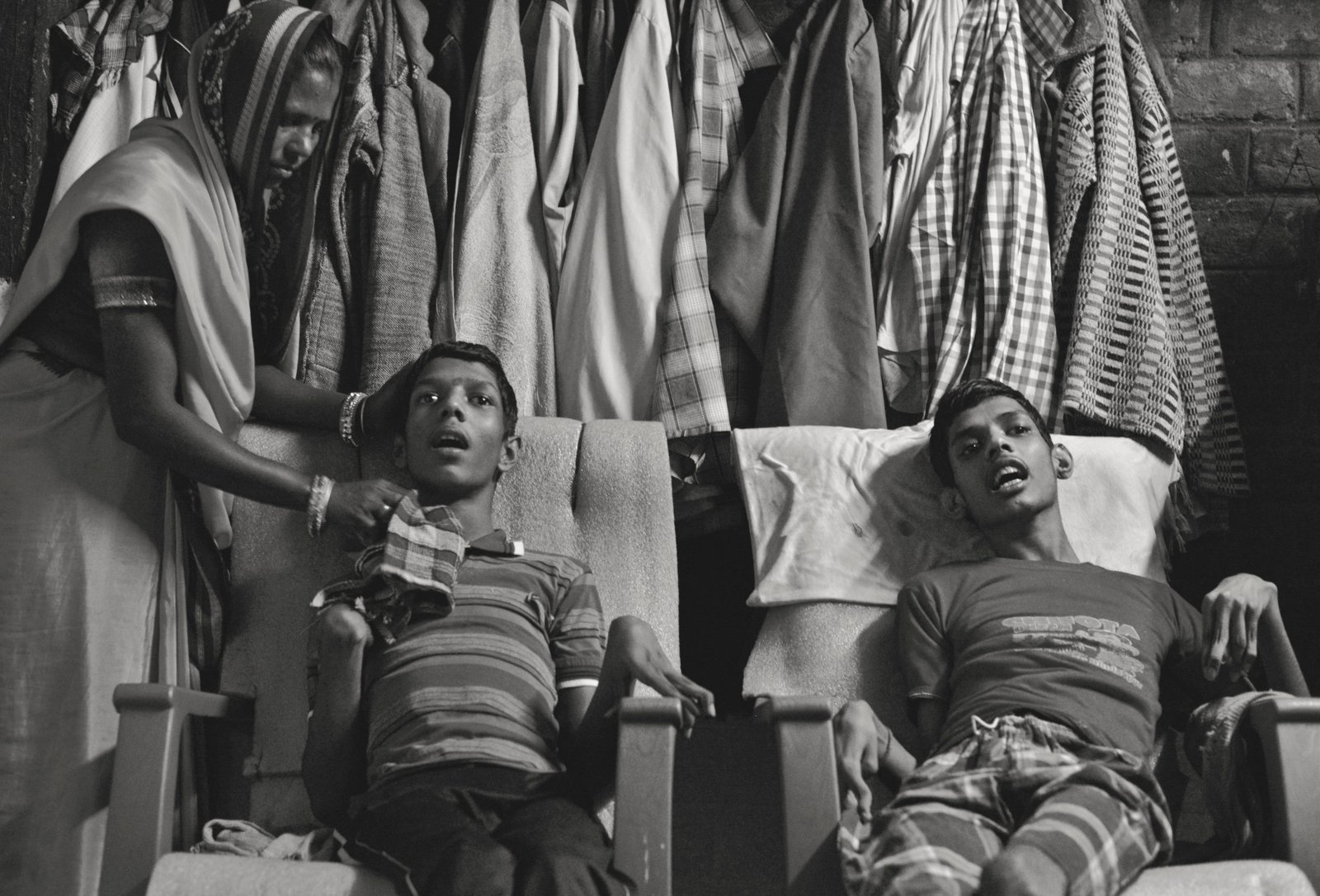
Survivors suffered chronic illnesses including respiratory disorders, neurological damage, vision impairment, and reproductive health problems. Children born years after the disaster exhibited higher rates of birth defects and developmental disorders.
Toxic waste left at the abandoned factory site contaminated soil and groundwater, continuing to pose environmental and health risks decades after the leak.
Accountability and Legal Aftermath
Legal proceedings following the disaster were lengthy and controversial. In 1989, Union Carbide reached a settlement with the Indian government, which many critics argued was insufficient given the scale of suffering.
Issues of corporate responsibility, regulatory oversight, and compensation for victims remain subjects of debate and activism to this day.
Global Impact and Industrial Safety Reforms
The Bhopal disaster exposed severe gaps in industrial safety standards, particularly in developing countries. It prompted international discussions on chemical safety, emergency preparedness, and corporate accountability.
Many modern industrial safety regulations and environmental laws were strengthened in response to lessons learned from Bhopal.
Legacy of the Disaster
The Bhopal Gas Tragedy remains a symbol of the human cost of industrial negligence and inadequate regulation. It serves as a warning about the dangers of hazardous industries operating without strict safety enforcement.
More than four decades later, the disaster continues to influence global conversations on environmental justice, public health, and the responsibility of corporations toward communities.