The term “Ghosts of Chernobyl” refers to the abandoned cities, silent homes, and lingering human absence left behind after the catastrophic nuclear disaster at the :contentReference[oaicite:1]{index=1} in April 1986. It stands as one of the most haunting reminders of technological failure and human cost in modern history.
Located in present-day Ukraine, near the border of Belarus, Chernobyl became the site of the worst nuclear accident ever recorded. A sudden explosion and fire at Reactor No. 4 released massive amounts of radioactive material into the atmosphere, contaminating vast areas of Europe.
The Evacuation of Pripyat
The nearby city of :contentReference[oaicite:2]{index=2}, built to house workers and families of the power plant, was home to nearly 50,000 residents. Within 36 hours of the explosion, authorities ordered a full evacuation. Residents were told they would return in a few days — a promise that was never fulfilled.
Schools, hospitals, apartment blocks, and amusement parks were left frozen in time. Personal belongings remain scattered across homes and classrooms, creating an eerie sense of sudden disappearance. Pripyat would later become one of the most iconic ghost cities in the world.
Radiation and the Exclusion Zone
Following the disaster, Soviet authorities established the :contentReference[oaicite:3]{index=3}, a roughly 30-kilometer radius around the reactor deemed unsafe for permanent habitation. Thousands of villages were abandoned, and over 100,000 people were permanently displaced.
Radioactive contamination affected soil, forests, wildlife, and water systems. Some areas within the zone remain highly radioactive to this day, rendering them dangerous for long-term human exposure.
The Liquidators
In the aftermath of the explosion, hundreds of thousands of workers — known as “liquidators” — were mobilized to contain the disaster. They included firefighters, soldiers, engineers, and civilians who worked under extreme conditions, often with minimal protective equipment.
Many liquidators suffered severe health consequences, including radiation sickness and long-term illnesses. Their efforts, however, were instrumental in preventing an even greater catastrophe.
The Nuclear Sarcophagus
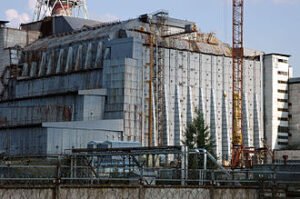
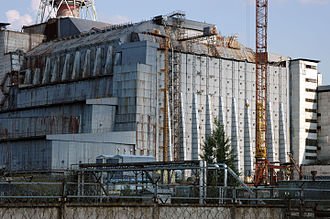
To contain the destroyed reactor, Soviet engineers constructed a massive concrete structure known as the “sarcophagus.” Decades later, it was replaced by the New Safe Confinement, an enormous steel arch designed to prevent further radioactive release.
This structure symbolizes both human ingenuity and the scale of the disaster — a permanent reminder of the consequences of nuclear failure.
Legacy of the Ghosts
Today, Chernobyl and Pripyat attract scientists, historians, and limited tourism, serving as open-air museums of abandonment. Nature has slowly reclaimed the land, with forests growing through buildings and wildlife thriving in the absence of humans.
The “ghosts of Chernobyl” are not merely abandoned buildings, but the memories of displaced lives, lost futures, and a warning to humanity about the power — and danger — of nuclear technology.