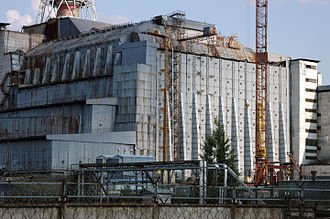
On April 26, 1986, the :contentReference[oaicite:1]{index=1} became the site of the worst nuclear disaster in human history. A catastrophic explosion at Reactor No. 4 released massive quantities of radioactive material into the atmosphere, affecting millions of lives and reshaping global attitudes toward nuclear energy.
The power plant was located near the city of :contentReference[oaicite:2]{index=2}, in what was then the Ukrainian Soviet Socialist Republic. Pripyat was a modern city built to house plant workers and their families, symbolizing Soviet technological progress before the disaster.
The Night of the Explosion
The disaster occurred during a late-night safety test designed to determine whether the reactor’s turbines could provide emergency power during a shutdown. Due to a combination of reactor design flaws and critical operator errors, Reactor No. 4 became unstable.
A sudden power surge caused a massive steam explosion, followed by a fire that burned for days. The explosion blew the reactor core open, exposing it directly to the atmosphere and releasing radioactive isotopes across large parts of Europe.
Immediate Human Impact
Firefighters and plant workers were the first to respond, many unaware of the deadly radiation levels they were exposed to. Several died within weeks from acute radiation sickness.
Despite the severity of the accident, residents of Pripyat were not evacuated until approximately 36 hours later. By then, thousands had already absorbed dangerous doses of radiation.
Environmental Consequences
Radioactive fallout contaminated vast areas of Ukraine, Belarus, and Russia. The radioactive cloud spread across Europe, leading to elevated radiation levels as far away as Scandinavia and the United Kingdom.
Forests near the reactor turned reddish-brown and died, becoming known as the “Red Forest.” Soil, water sources, and agricultural land were heavily contaminated, rendering large regions uninhabitable for decades.
The Chernobyl Exclusion Zone
In response to the disaster, authorities established the :contentReference[oaicite:3]{index=3}, a 30-kilometer radius around the reactor. More than 100,000 people were permanently relocated, leaving behind entire towns and villages.
To this day, the exclusion zone remains largely uninhabited, though some elderly residents later returned to their homes despite the risks.
The Liquidators
Hundreds of thousands of individuals, known as “liquidators,” were mobilized to clean up the disaster. Their tasks included extinguishing fires, removing radioactive debris, and constructing containment structures.
Many liquidators were exposed to high radiation levels and later suffered severe health problems. Their sacrifice was crucial in preventing an even larger catastrophe.
Containment and Long-Term Effects
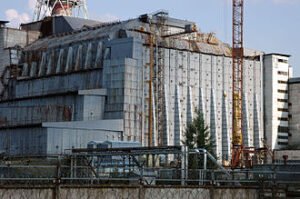
A massive concrete structure, known as the sarcophagus, was built to encase the destroyed reactor. Decades later, it was replaced by the New Safe Confinement, designed to prevent further radioactive leaks.
The long-term effects of the Chernobyl disaster include increased rates of thyroid cancer, psychological trauma, and economic disruption in affected regions. It also led to sweeping changes in nuclear safety regulations worldwide.
Global Legacy
The Chernobyl disaster fundamentally altered public perception of nuclear power. It exposed the dangers of secrecy, flawed reactor design, and inadequate safety culture.
Today, Chernobyl stands as both a warning and a lesson — a reminder of the immense power of nuclear energy and the devastating consequences when that power is mismanaged.